The paper fortune teller, also known as “cootie catcher” in origami, is based on a simple principle: a square fold where each flap hides a message. The player chooses a number, a color, and discovers a phrase that makes them laugh, think, or face a challenge. Here are twenty concrete messages to slip under the flaps to vary the games.
Some of these examples of messages for fortune tellers work equally well with children as young as five and with adults around a table.
1. Give your best lion roar

This physical challenge immediately triggers laughter. The player must imitate the lion’s roar as loudly as possible, breaking the shyness right from the start of the game.
Variation for adults: replace the lion with an imitation of a colleague or a movie character.
2. Describe your day in three words

A message that stimulates synthesis and vocabulary. Children learn to choose precise words, while grandparents often come up with poetic phrases.
This type of message easily fits into an evening ritual, as long as it remains short and predictable to avoid prolonging bedtime.
3. Dance for ten seconds without music

The ultimate body challenge. Without music, the player invents their own rhythm, resulting in hilarious outcomes.
This message works particularly well during a birthday snack or at recess.
4. What was your favorite game when you were a child?

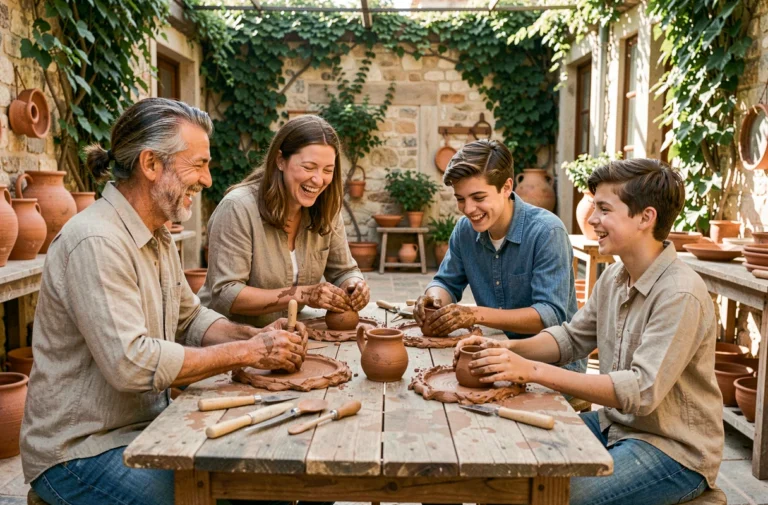
An intergenerational question that works well both in family settings and in creative workshops at nursing homes. Paper crafts are suitable for seniors as they engage fine motor skills and social connections.
A child asking this question to a grandparent opens a conversation that both will remember for a long time.
5. Act out an animal without speaking
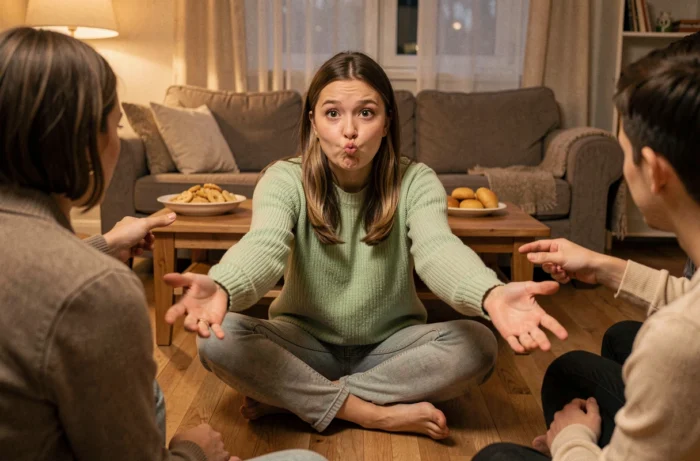
Mime is a classic, but when included in a fortune teller, it takes on an element of surprise. The player does not know in advance what challenge awaits them.
Tip: specify the animal on the flap (“Act out a penguin”) to prevent the player from always choosing the cat.
6. Give a compliment to the person on your left
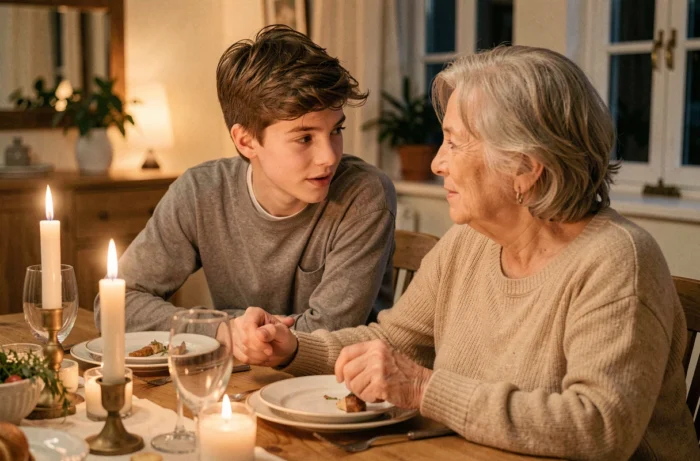
This message promotes kindness. Formulating a sincere compliment requires observing the other, which strengthens the social bond between players.
In class, this type of message helps create a positive atmosphere during group workshops.
7. Invent a word and give its definition

The player creates a neologism and proposes its meaning. “Floubidon: when you slip on a sock.” This challenge encourages verbal creativity.
Adults have just as much fun as children, especially if the group votes for the best definition.
8. Sing the chorus of your favorite song

A simple musical challenge. The player reveals their tastes, which sparks discussions and sometimes leads to an impromptu karaoke session.
For the more timid, suggesting to hum without lyrics softens the challenge.
9. You have the power to fly: where are you going?

Imaginative questions lead to surprising answers. A child might answer “to grandma’s house,” a teenager “to Japan,” an adult “nowhere, I’m just flying.”
This message works well for fortune tellers used during long car trips.
10. Make three different funny faces
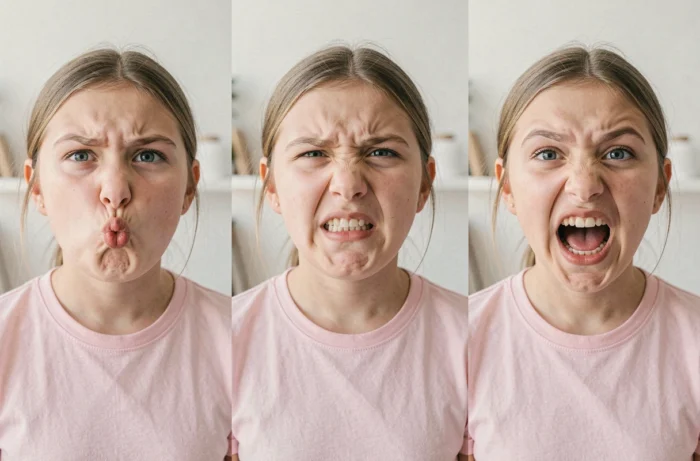
Simple, visual, effective. Three consecutive funny faces create a mini-show that the rest of the group judges and rates.
This challenge requires no materials or knowledge and works for ages three to eighty-three.
11. Name three things that make you happy
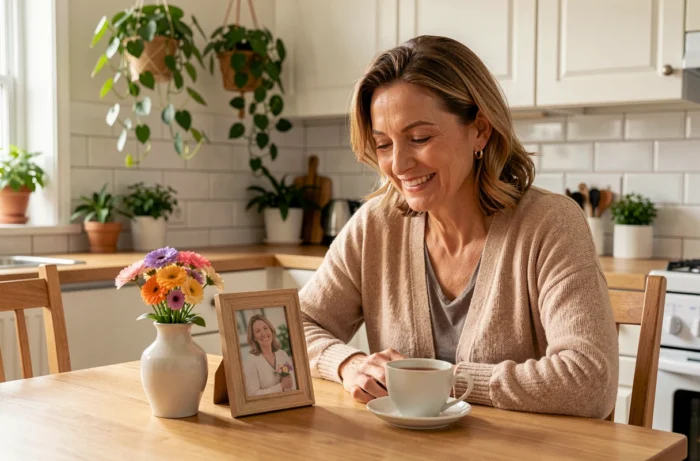
A message that brings back gratitude without moralizing. Answers range from concrete (“pancakes”) to abstract (“the silence in the morning”).
As an evening ritual, this question effectively replaces the classic “Did you have a good day?”
12. Imitate a robot’s voice
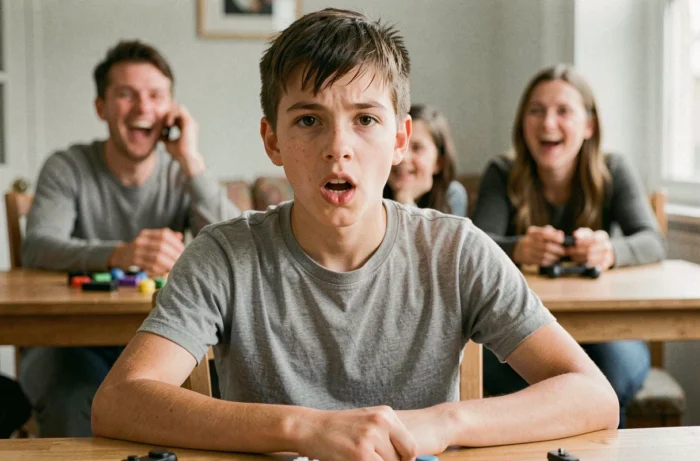
The player repeats a phrase dictated by the group, but in a robotic voice. The contrast between the content and the tone provokes laughter.
Variation: combine with another message (“give a compliment in a robot voice”).
13. Tell a joke (even a bad one)

The specification “even a bad one” relieves the pressure. The player doesn’t need to be funny, which paradoxically often makes the moment more enjoyable.
“Carambar” jokes fit in here without hesitation.
14. Spell your name backwards

A concentration challenge disguised as a game. Short names go quickly, while long names create real suspense.
This message stimulates phonological awareness in young readers.
15. If you were a dish, which one would you be?

Offbeat identity questions work at any age. They require justification of a choice, enriching the discussion.
Answers often reveal personality traits that the player did not suspect.
16. Stand on one foot while the next player plays

This physical challenge lasts beyond the player’s turn, keeping the group’s attention. The effort of balance creates comedic tension.
In workshops with seniors, replace with “raise a finger and keep it raised” to adjust the difficulty.
17. Describe your neighbor with one adjective

A unique adjective requires precision. “Sparkling,” “calm,” “greedy”: each chosen word carries weight.
This message develops children’s vocabulary and adults’ observational skills.
18. Make the sound of rain with your fingers on the table

A calm sensory challenge that changes the pace of the game. The sound of rain soothes the group, perfect after several noisy challenges.
It also works as a transition to bedtime in a family evening ritual.
19. Give a funny nickname to each player
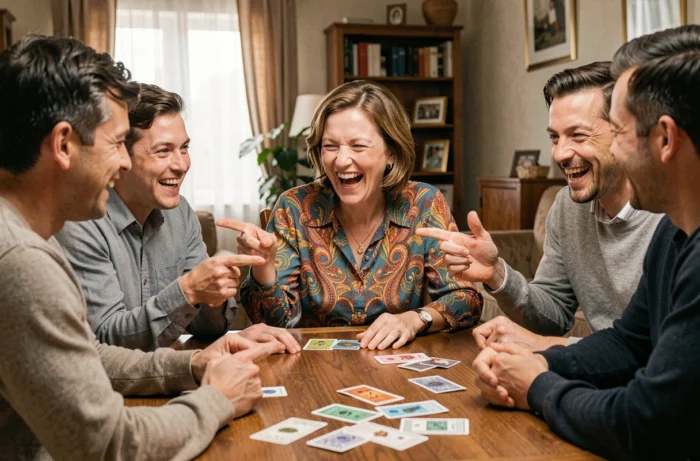
The player must come up with a nickname for each participant in under thirty seconds. The time constraint prevents overthinking and pushes for absurdity.
Nicknames are often reused throughout the evening, extending the effect of the game well beyond the fortune teller.
20. Close your eyes and describe the room from memory

A visual memory challenge that always surprises. The player realizes how much they look without seeing.
This message also works in memory workshops with elderly people, where paper crafts serve as a support for cognitive stimulation.
The paper fortune teller remains a versatile game tool: simply change the messages under the flaps to refresh the game. Maintaining a balance between physical challenges, imaginative questions, and calm moments helps keep the group’s attention over several rounds.